


Vape and Electronic Cigarettes

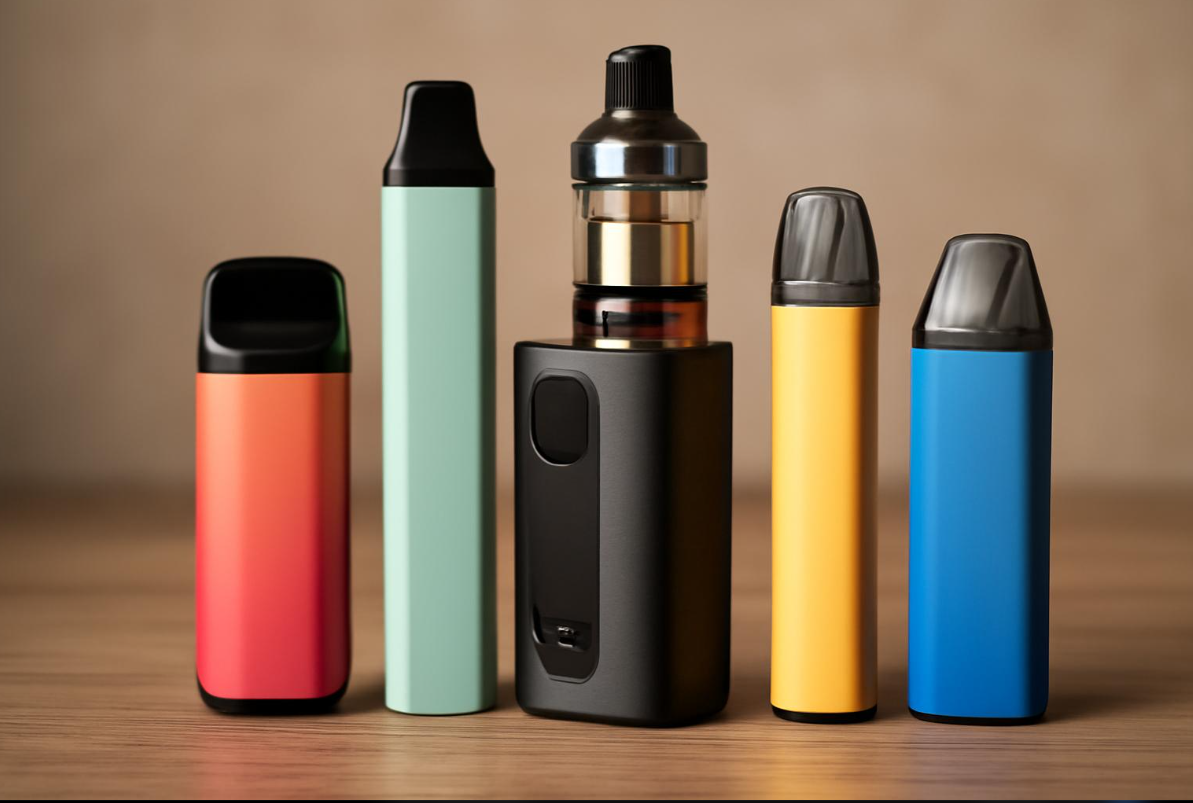
Electronic cigarettes, commonly known as vapes or e-cigarettes, have become a widely recognized category of nicotine products. Available in different shapes, sizes, and designs, these battery-powered devices heat a liquid to produce an aerosol that users inhale.
From slim vape pens to compact pod systems and larger electronic devices, vaping products vary considerably in their construction and features. Understanding how they work, what they contain, and how they differ from traditional cigarettes can help readers make informed decisions.
What Is a Vape or Electronic Cigarette?
A vape is an electronic device designed to heat a liquid and produce an inhalable aerosol. Many devices contain nicotine, although some liquids are sold without it.
Unlike conventional cigarettes, which burn tobacco, most electronic cigarettes use a battery-powered heating element. The liquid is heated rather than burned, creating an aerosol commonly referred to as vapor.
Vaping devices are available in numerous designs, including disposable products, rechargeable devices, refillable systems, and reusable pod kits. Some resemble traditional cigarettes, while others have a modern appearance with digital displays and adjustable settings.
How Does a Vape Work?
Most electronic cigarettes contain three main components: a battery, a heating element, and a reservoir or cartridge containing e-liquid.
When the device is activated, the battery supplies power to the heating element. The element heats the liquid, producing an aerosol that travels through the mouthpiece and is inhaled by the user.
The process generally involves these components:
- Battery: Supplies the electrical power needed to operate the device.
- Heating element: Heats the liquid to create an aerosol.
- E-liquid reservoir: Stores the liquid used by the device.
- Mouthpiece: Provides the point through which the aerosol is inhaled.
Although the aerosol may look similar to smoke, vaping does not involve the same tobacco-burning process as conventional cigarettes. However, the aerosol is not simply water vapor and may contain nicotine, particles, metals, and other potentially harmful substances.
Different Types of Vaping Devices
The vaping market includes several types of electronic cigarettes, each with a different design and operating method.
1. Disposable Vapes
Disposable vapes are designed for limited use and are generally discarded when their liquid or battery is depleted, subject to local disposal rules. Many have a compact, self-contained design.
Because they contain batteries and electronic components, they should be disposed of according to local electronic-waste requirements rather than automatically placed in household rubbish.
2. Vape Pens
Vape pens typically feature a slim, cylindrical shape. They may use refillable tanks or replaceable cartridges, depending on the model.
Their straightforward design makes them visually distinct from larger, more complex vaping systems.
3. Pod Systems
Pod systems use small cartridges, commonly called pods, to hold the e-liquid. Depending on the model, these pods may be refillable or prefilled.
Their compact construction and rechargeable batteries have made them a recognizable category of modern vaping devices.
4. Box Mods and Advanced Devices
Box mods are generally larger devices that may offer adjustable power settings, replaceable tanks, and additional controls.
Their designs can be more complex than those of basic vape pens or pod systems. Device features and compatibility vary by manufacturer.
What Is Inside Vape Liquid?
E-liquid, also called vape juice, is the liquid heated by an electronic cigarette. Its ingredients vary between products.
Common ingredients include:
- Propylene glycol (PG): A liquid used as a carrier for flavorings and other ingredients.
- Vegetable glycerin (VG): A liquid that contributes to the aerosol produced during vaping.
- Flavorings: Ingredients used to create different taste profiles.
- Nicotine: An addictive substance present in many, but not all, vaping products.
The precise composition depends on the product. Some liquids may also contain other chemicals or contaminants, and product labels do not necessarily reveal every substance that could be present in the inhaled aerosol.
Ingredients that are considered safe for eating are not automatically safe to inhale into the lungs.
Why Has Vaping Become Popular?
Several factors have contributed to the visibility of electronic cigarettes in contemporary consumer culture.
Variety of designs: Vaping devices come in different sizes, shapes, colors, and materials.
Different flavor profiles: Some products are offered in fruit, mint, dessert, and other flavor categories, subject to local regulations.
Electronic operation: Battery-powered heating distinguishes vaping devices from conventional tobacco products that burn tobacco.
Product innovation: Manufacturers have introduced rechargeable batteries, replaceable pods, digital displays, and other electronic features.
These characteristics help explain the variety of products available, but popularity and technological innovation do not establish that vaping is safe.
Vaping vs. Traditional Cigarettes
The main difference between vaping and conventional smoking is how the inhaled substance is produced.
Traditional cigarettes burn tobacco, generating smoke that contains nicotine and numerous toxic chemicals. Most electronic cigarettes heat a liquid to produce an aerosol instead.
For adults who already smoke, completely switching to regulated vaping products may reduce exposure to some harmful chemicals compared with continuing to smoke combustible cigarettes. However, vaping is not risk-free, and using both products can maintain exposure to harmful substances.
Electronic cigarettes should not be considered harmless alternatives, particularly for people who do not already use tobacco or nicotine products.
Health Risks of Vaping
Although electronic cigarettes do not burn tobacco in the same way as conventional cigarettes, they can still expose users to substances that affect health.
Nicotine Dependence
Many vaping products contain nicotine, which is highly addictive. Repeated use can lead to dependence, and stopping may cause withdrawal symptoms such as irritability, difficulty concentrating, and cravings.
Nicotine exposure is particularly concerning for young people because the brain continues to develop into early adulthood. Nicotine use during pregnancy also presents health risks.
Respiratory Effects
Vaping aerosol can contain fine particles, chemical compounds, and other substances that may affect the respiratory system. Research into the long-term consequences of vaping is ongoing.
Cardiovascular Concerns
Nicotine can increase heart rate and blood pressure. Researchers continue to investigate the short- and long-term cardiovascular effects of electronic cigarette use.
Battery and Liquid Safety
Damaged or improperly handled batteries can overheat, catch fire, or explode. E-liquids can also cause nicotine poisoning if swallowed or absorbed through the skin, depending on the concentration and exposure.
Vaping products should be kept away from children and pets, and damaged batteries or devices should not be used.
Young people, pregnant individuals, and people who do not currently smoke should avoid starting to vape.
The Future of Electronic Cigarettes
Electronic cigarettes continue to evolve as battery technology, product design, and regulations change. Reusable systems, compact devices, and different liquid formulations all contribute to the variety of products found in today’s market.
At the same time, public health authorities continue to evaluate their safety, particularly regarding nicotine dependence, youth use, and long-term exposure to inhaled chemicals.
Understanding both the technology and the health implications is essential when discussing the role of vaping in modern society.


